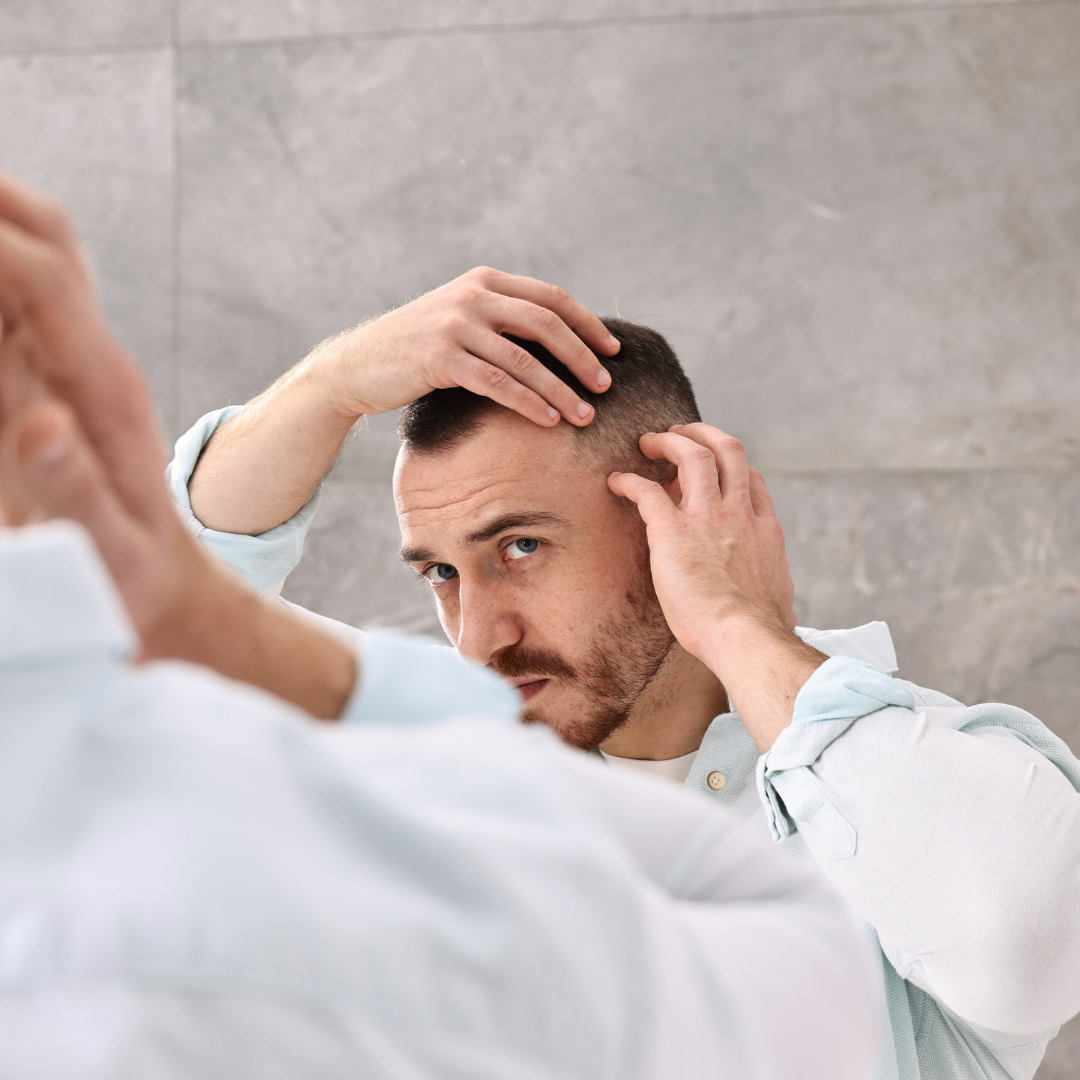
If your hairline’s edging back or your crown looks a touch lighter under the bathroom light, you’re not alone, and you’re not out of options. At BarberNBar in Cheltenham, we know that looking sharp starts with a great cut and a bit of confidence. In this guide, we’ll discuss the best haircuts for a thinning hairline, sharing barber-approved tips on how shape, texture, and finish can make a significant difference. (And if you feel you’re further along and haircuts aren’t giving you the coverage you want, there are low-key options locally—more on that near the end.)
Table Of Contents
| Section | |
| Signs Your Hairline Is Receding | Jump To Section |
| Best Haircuts for a Thinning Hairline | Jump To Section |
| Styles to Avoid | Jump To Section |
| How to Style Thinning Hair | Jump To Section |
| Comparison Table | Jump To Section |
| Choosing the Right Style for You | Jump To Section |
| Talking to Your Barbers | Jump To Section |
| Conclusion | Jump To Section |
| FAQ & Pro Hair Edit | Jump To Section |
Signs your hairline is receding (and why your haircut matters)
Most men first notice recession at the temples (the classic “M” shape) or diffused thinning at the crown. The temptation is to grow hair longer to “cover” it, but that often highlights the contrast between dense and thin zones. The right haircut for a thinning hairline reduces that contrast, tightens the outline, and focuses attention on what does look strong: texture, shape, and your face.
When you’re choosing a cut, a good barber will look at where your hair is naturally strongest, how it grows, and how you like to style day-to-day. The aim is simple: reduce contrast between denser and lighter areas, keep the outline tidy, and use texture and finish to make everything look intentional.
Best haircuts for a thinning hairline (10 proven styles)
Below are practical thinning hairline styles that look good at work, in the gym, and out at night. Each one notes why it helps, who it suits, and upkeep.
Tip: Matte clay, sea-salt spray and low-shine pastes usually beat gels and gloss. Shine reflects scalp; matte diffuses it.
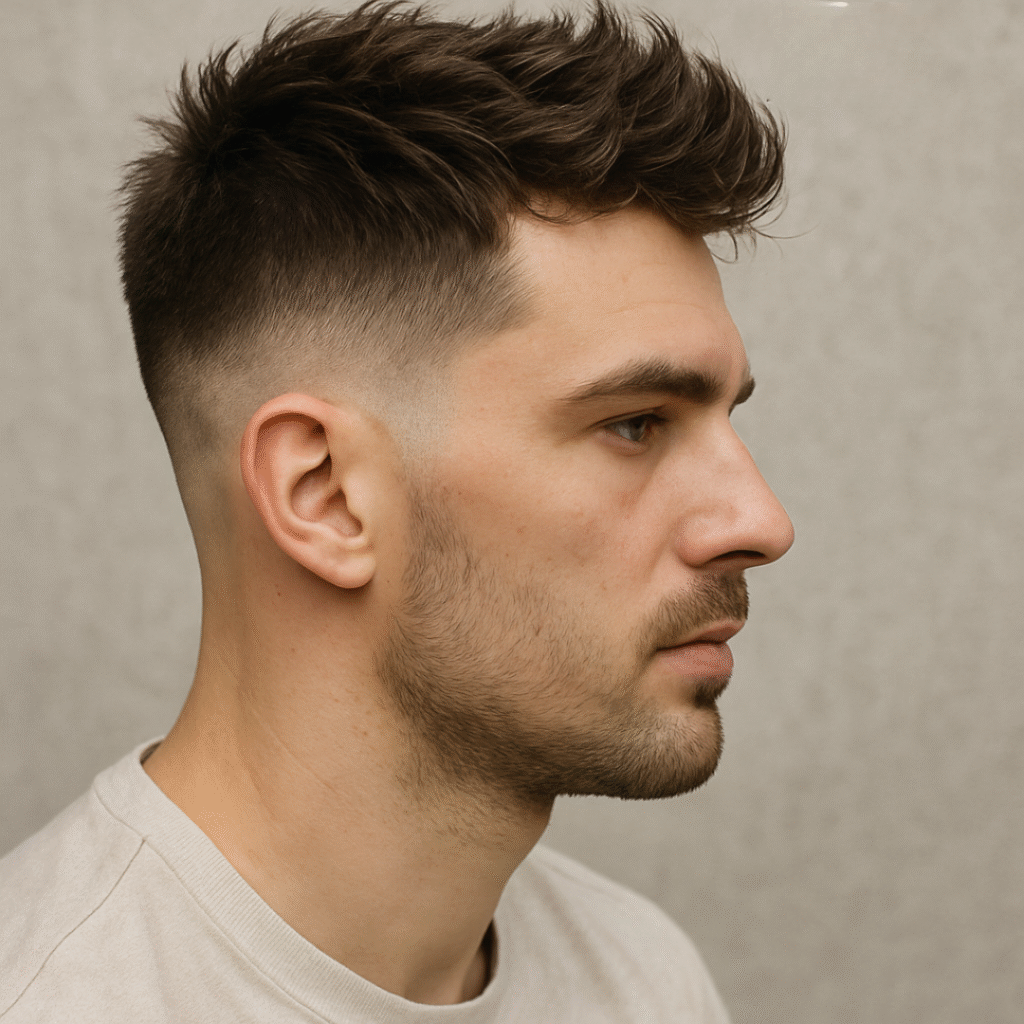
1) Tight Taper with Textured Top
Balances short, neat sides with a lightly messy top. The texture breaks up the see-through zones at the front.
- Best for: Early recession, straight to wavy hair.
- Maintenance: 3–5 weeks between cuts.
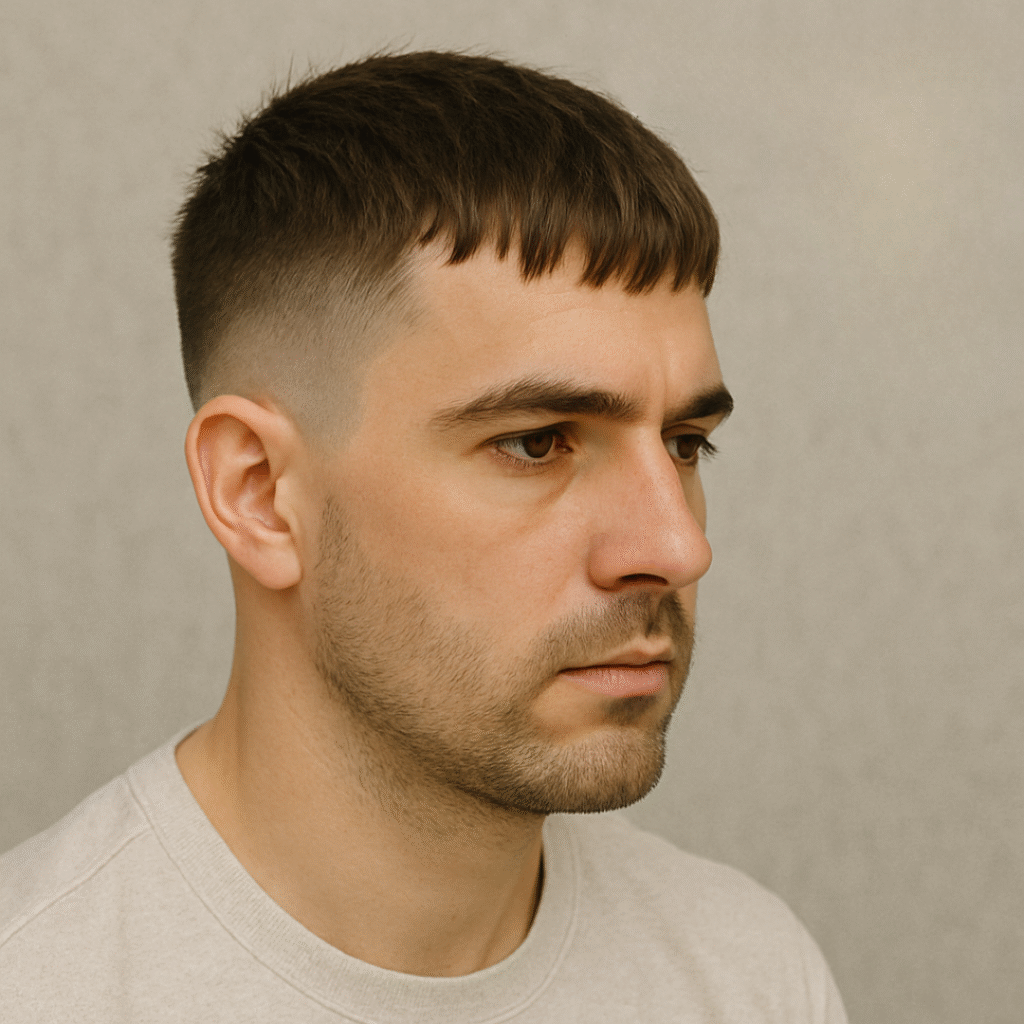
2) Mid-Fade Crop (Choppy Fringe Option)
A modern classic. A cropped length with a choppy fringe can soften the hairline edge without making it appear lower.
- Best for: Receding temples, fine hair.
- Maintenance: 3–4 weeks; grit-finish paste.
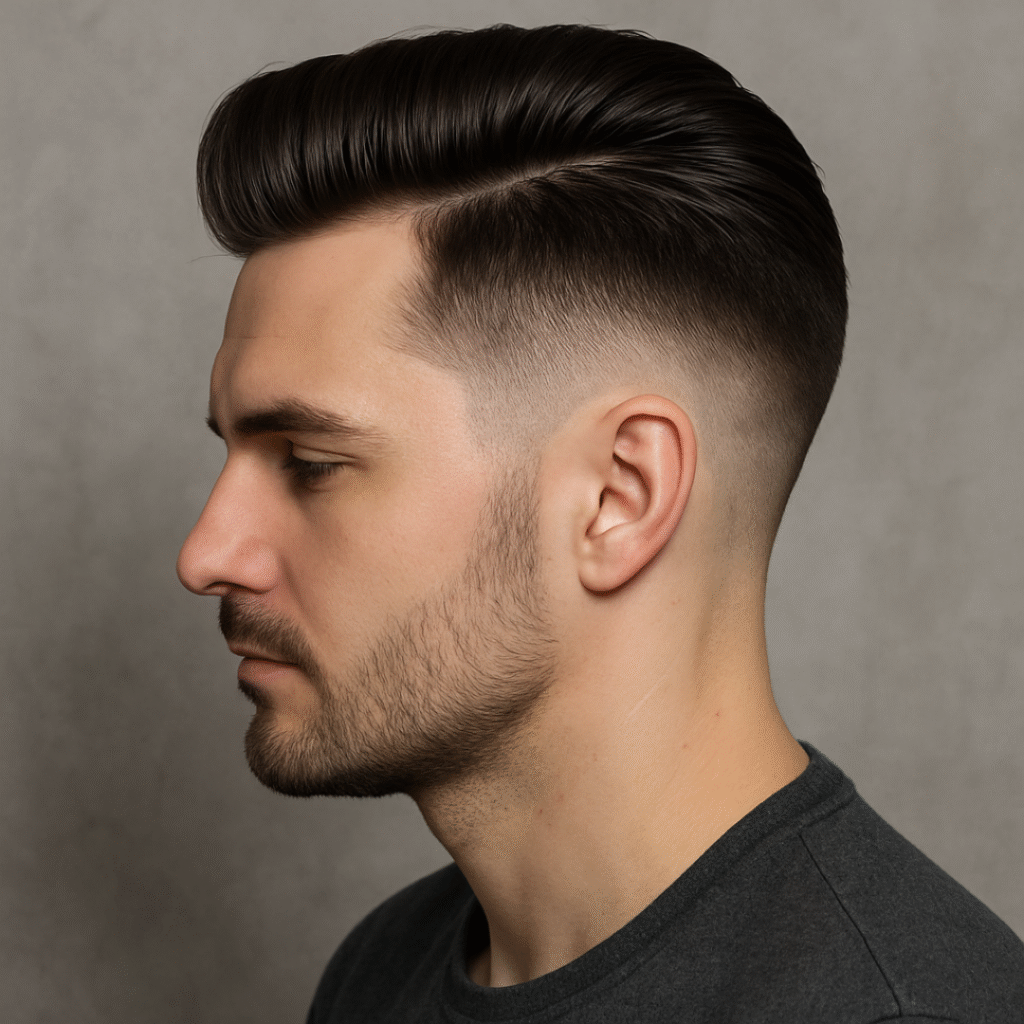
3) Short Pompadour with Low Fade
Keep the height centred; not too long in length. Low fade narrows the sides, drawing eyes upward.
- Best for: Medium density on top, straight/wavy hair.
- Maintenance: 4 weeks; blow-dry with sea-salt.

4) Ivy League (Contemporary)
Side-part foundation, but shorter and more textured than the old school version.
- Best for: Professional settings, mild to moderate recession.
- Maintenance: 4–6 weeks; matte cream.
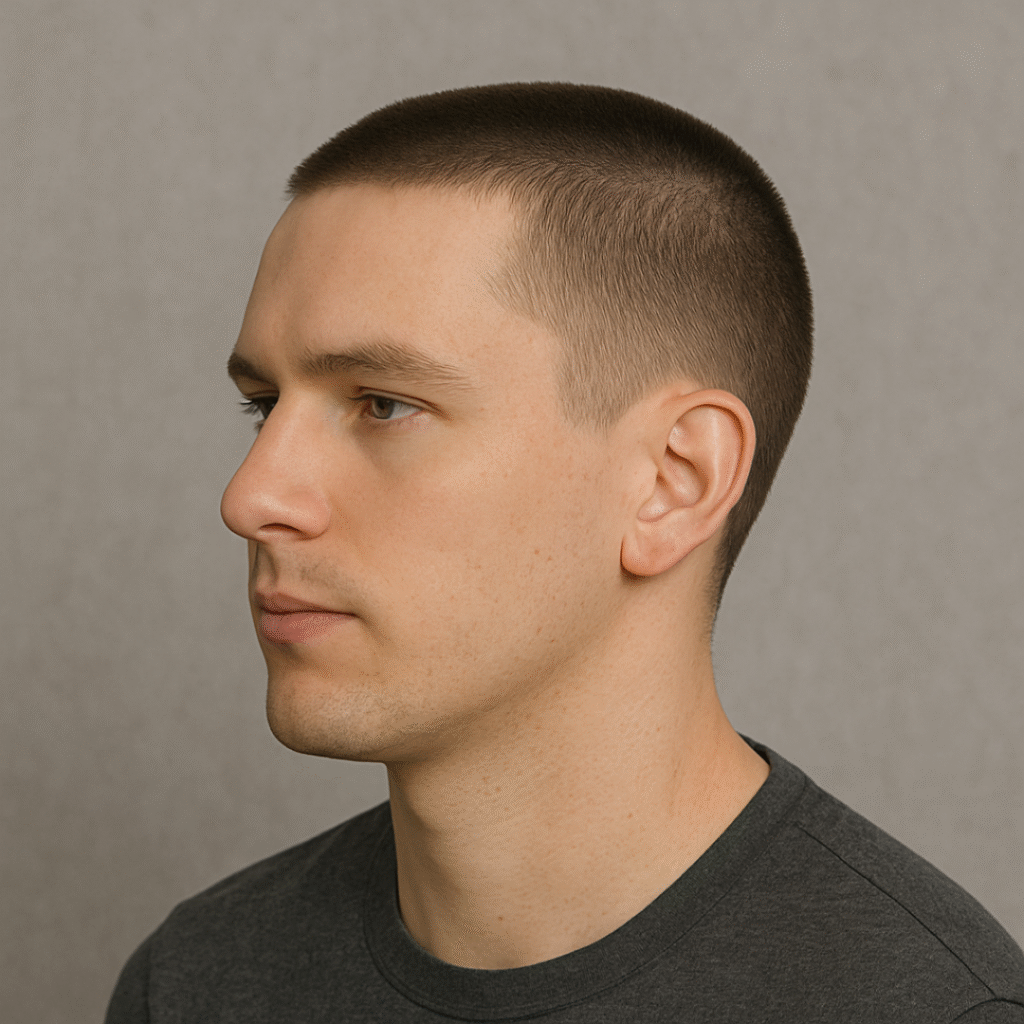
5) Buzz with Gentle Taper
A perfectly even buzz exaggerates contrast; a gentle taper at the ears/neck adds shape and polish.
- Best for: Diffuse thinning and active lifestyles.
- Maintenance: 2–4 weeks

6) Textured Quiff (Soft, Not Sculpted)
Short back/sides, soft height. The key is texture, not lacquered volume.
- Best for: Thicker hair at the front, early receding hairline.
- Maintenance: 4 weeks; dry shampoo for grip.
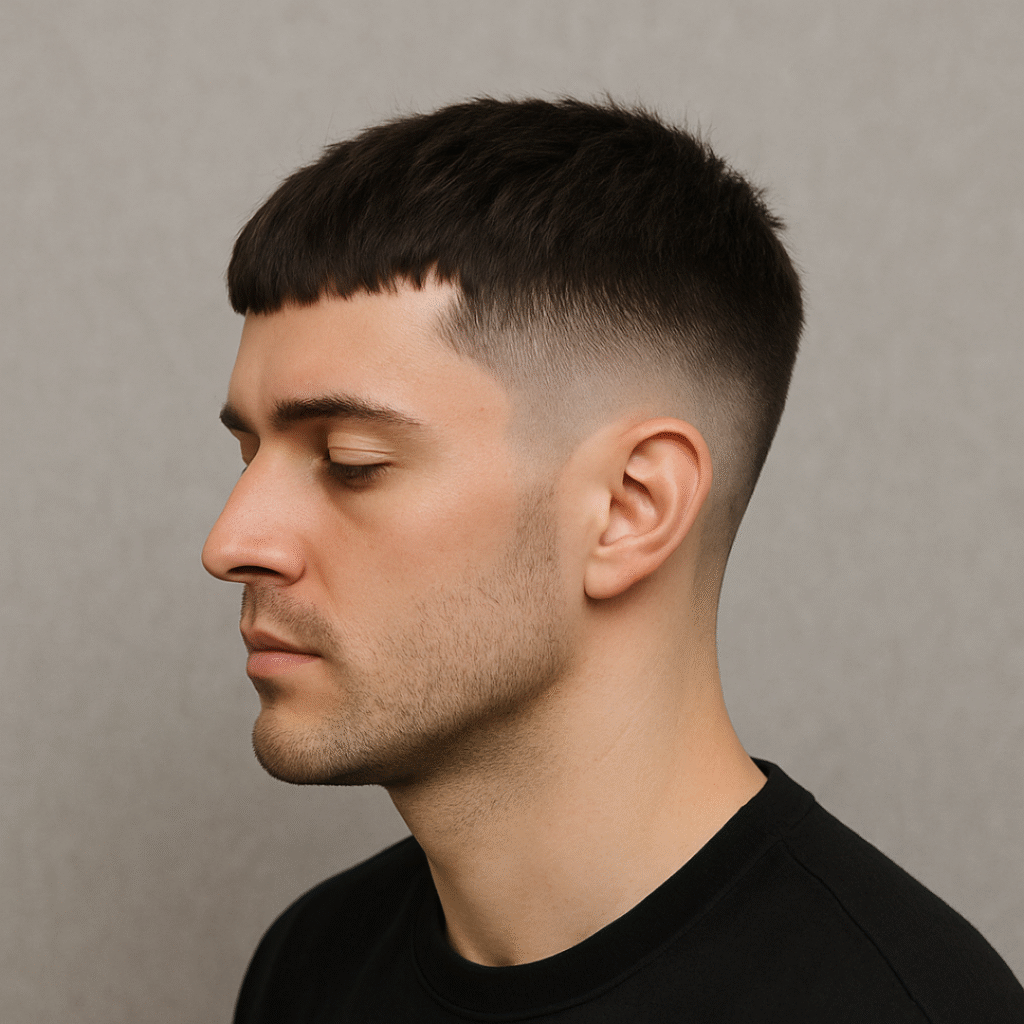
7) French Crop with Micro Fringe
Sits just at the recession line; micro fringe + texture disguises irregular edges.
- Best for: Fine hair and prominent temples.
- Maintenance: 3–4 weeks; clay or paste.
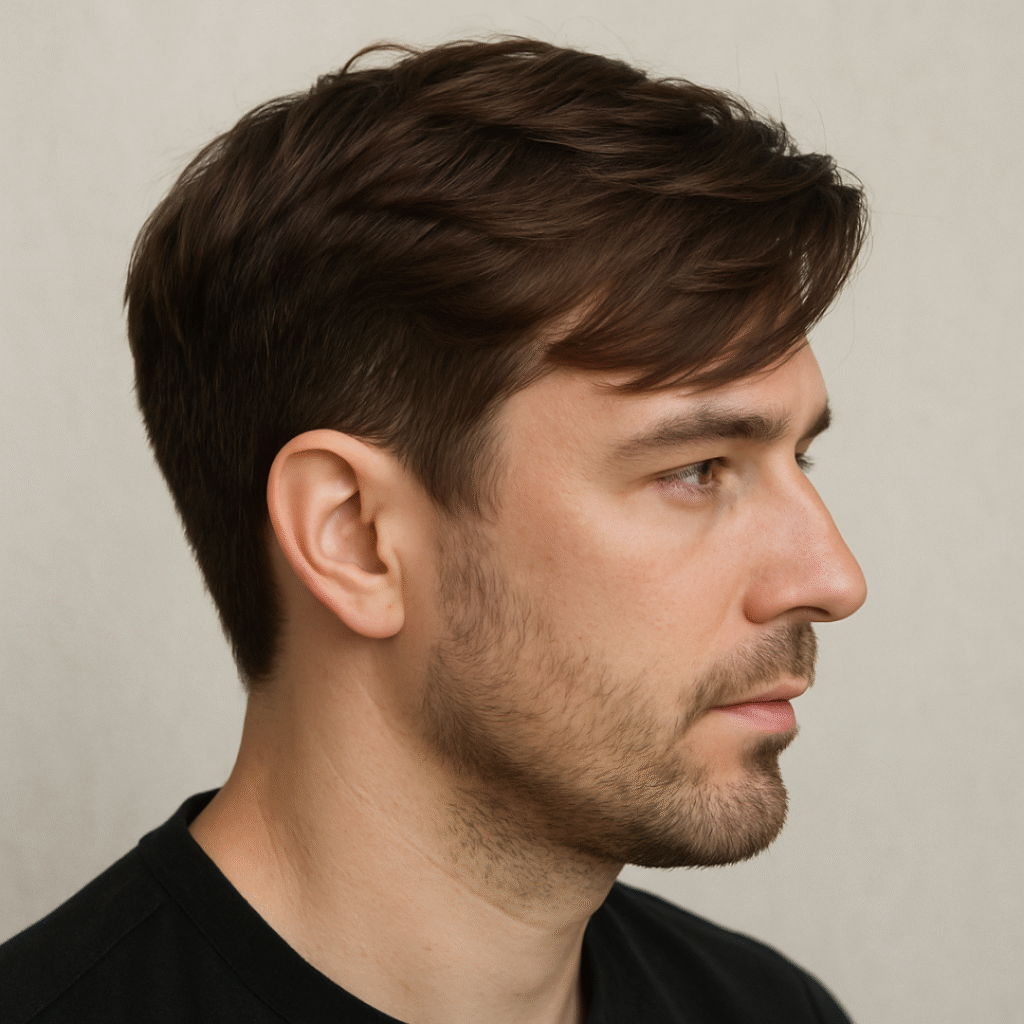
8) Side-Swept Short Layer
Not a comb-over. This is a short, layered sweep that respects your current hairline and fills visually.
- Best for: Straight hair with some density up front.
- Maintenance: 4–5 weeks; light paste.
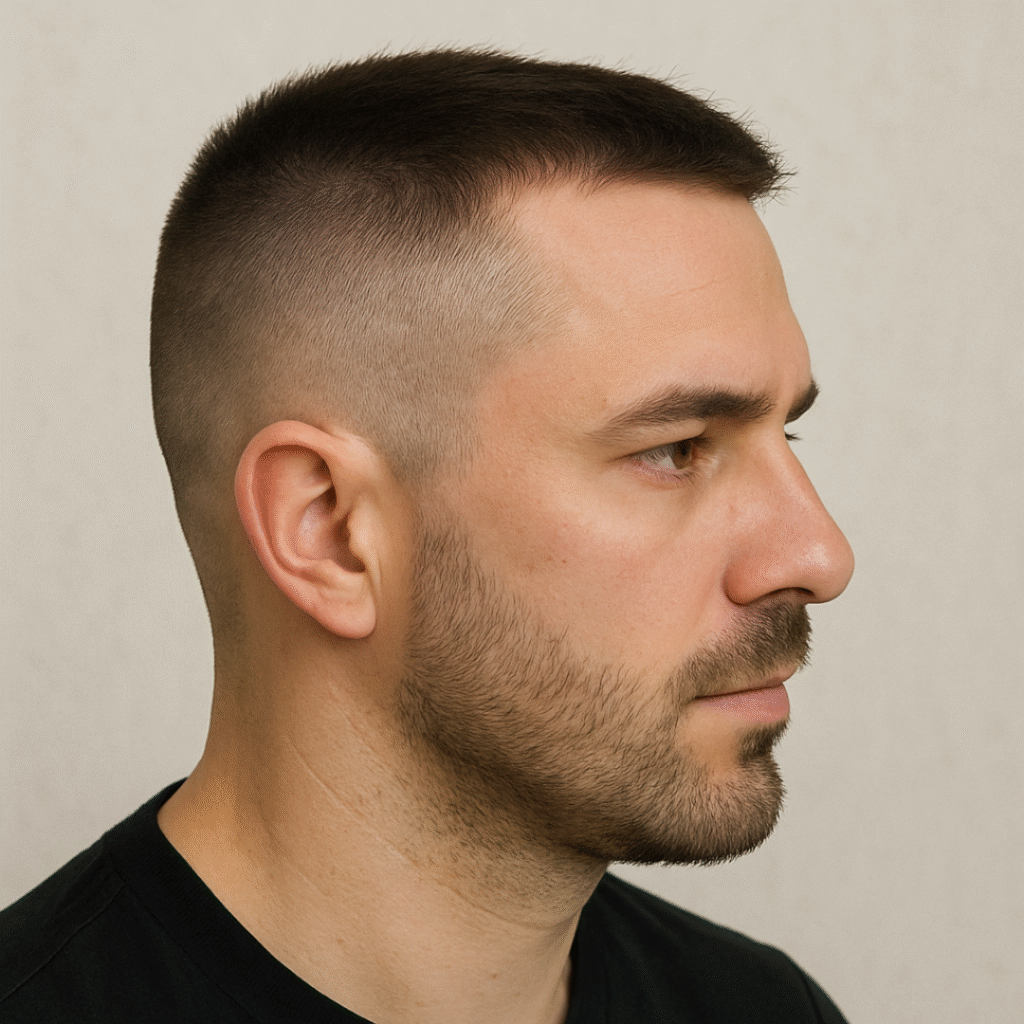
9) High & Tight (Civilian friendly)
Crisp sides, minimal top. Clean, athletic, and honest—looks intentional (never “hiding”).
- Best for: Advanced temple recession.
- Maintenance: 2–3 weeks; beard can add balance.
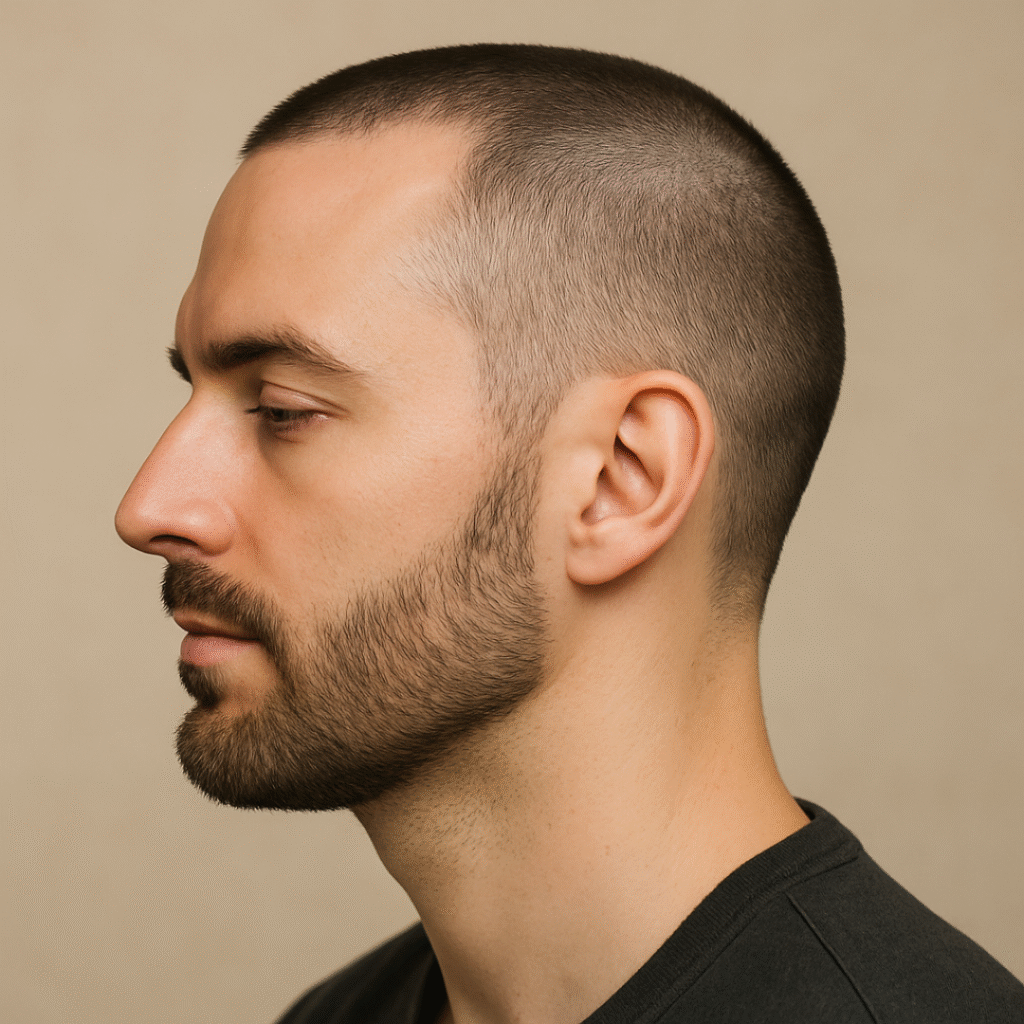
10) The Almost-Shaved (with Beard Shape)
If you’re ready, taking it very short can be the most confident move. A well-designed beard restores proportion.
- Best for: Significant thinning across the top.
- Maintenance: 2–3 weeks; book a Home Service tidy if you’re busy.
For personalised advice, drop into our Cheltenham barbershop—details on the homepage.
Styles to avoid with a receding hairline
- Heavy, slick quiffs with shine: they reflect scalp and require thick density.
- Long, flat side sweeps: read as cover-ups and collapse by lunchtime.
- Thick straight fringes: create a hard “line” that exposes gaps with a gust of wind.
- Mismatched sides: bulky sides make the top look thinner by comparison.
If you’re refining your style, start with the basics: neat lines, balanced proportions and simple routines.
How to style a receding hairline day to day (products & techniques)
- Start with volume at the root. Rough dry from roots up with a hairdryer; set on medium heat, medium power.
- Build texture, not gloss. Use sea-salt spray or a matte texturiser; finish with clay/paste.
- Diffuse, don’t define. Avoid hard partings that spotlight the hairline edge.
- Mind the fringe. Keep it light, choppy and mobile. Heavy fringes separate and expose scalp.
Grooming rituals help. A fortnightly beard tidy and skin treatment at grooming boosts overall symmetry and confidence.
Comparison table: match common concerns to the right approach
| Concern | Quick Barbering Fix | Why it Works? |
| Receding Temples | Textured crop with micro fringe | Breaks the hard “M” outline |
| Diffuse thinning on top | Tight taper + matte finish | Reduces contrast, matte diffuses scalp shine |
| Crown Thinning | Short, textured top + mid-fade | Keeps focus forward and sides tight |
| Ready to own the look | High & tight / almost-shaved + beard | Intentional, masculine balance |
Face shape, beard balance & lifestyle: choosing what suits you
A great cut isn’t just about the hair—it’s how the shape frames your face and fits your week. Start by matching the outline of the haircut to your face shape, then use the beard (if you keep one) to balance proportions.
- Oval/Oblong: Keep too much height in check. A textured top with a mid taper adds width; a short, tidy beard squares the jaw.
- Round: Add gentle height and lean sides. A crop or short quiff with a low fade creates structure; keep the beard slightly longer at the chin.
- Square: You already have definition—avoid harsh, boxy sides. Softer texture on top plus a subtle taper keeps it modern.
- Triangle/Heart: Add a touch of volume up top and keep sides clean. A light stubble or short beard helps balance a narrower chin.
Think about your routine, too. Office and gym? Aim for low-shine, matte products you can restyle with your hands. Travel a lot? Choose lengths that last 3–5 weeks between tidy-ups. Prefer wash-and-go? Ask for texture built in with point cutting so the shape falls into place without heavy product.
How to talk to your barber (without the awkward bit)
Bring two photos of shapes you like (front and side). Say what you want the cut to do rather than only a name: “shorter at the sides, light texture on top, nothing shiny.” Mention how you style day to day (towel-dry, quick blast with a dryer, or product only). If there are areas you’re self-conscious about, just flag them—your barber will adjust length, outline and finish so everything looks intentional.
If you’ve tried a few of these cuts and still want a little more overall fullness, you can quietly explore Pro Hair Edit, our non-surgical option available in Cheltenham. It’s a private consultation first, where we talk through lifestyle, styling routine and the look you’re aiming for, then outline what a modern hair system could achieve in terms of realism and upkeep. Many clients keep their usual haircut and simply add believable density at the areas that bother them most, so day-to-day styling stays familiar. There’s no pressure to decide on the spot—think of it as information to help you plan your next steps at your own pace. If you’re curious, read more on the Pro Hair Edit page or call 07960 353888 for a quiet chat.
Conclusion
The right haircut for a thinning hairline is about shape, texture and finish working together. Keep the outline tidy, use matte products that diffuse shine, and match the cut to your face shape and routine so it looks intentional on busy weekdays and relaxed weekends alike. Small grooming choices—clean edges, a considered beard length, simple styling—go a long way. If, over time, haircuts stop providing the coverage you want, it’s reassuring to know that there are discreet next steps. Start with a regular appointment to dial in the style that flatters you now, and if you’d like more information, you can quietly explore Pro Hair Edit to see whether added density would suit your lifestyle—no rush, no pressure—just options when you’re ready.
FAQ: haircuts, thinning hairlines, and Pro Hair Edit
What’s the best haircut for a thinning hairline right now?
A textured crop or tight taper with a textured top is typically the best place to start. Texture diffuses scalp show-through; shorter sides reduce contrast.
I’m embarrassed to bring it up; how do I start the conversation?
Just mention you’re noticing changes at the temples/crown. Our barbers are trained to suggest hairstyles for a receding hairline and thin hair with zero fuss.
Does thinning hair look better, longer or shorter?
In most cases, thinning hair looks better when it’s kept shorter. Shorter styles create the illusion of thicker, fuller hair by reducing weight and helping the strands stand upright rather than fall flat. Longer hair tends to separate more easily, exposing the scalp, which can make thinning more noticeable.
Keeping the sides and back short while adding a bit of textured length on top can make thinning areas blend in more naturally. A matte styling product also helps add volume and structure without drawing attention to fine spots.
Are there medical causes I should rule out?
Male-pattern hair loss is common, but sudden shedding or patchy loss should prompt a visit to a doctor for medical advice. See guidance from the NHS on hair loss and consult your GP if you’re unsure.
Do products like minoxidil or finasteride help?
Some men do use evidence-based treatments; speak to a medical professional first. You can learn more through the British Association of Dermatologists and the NHS overview.
What not to do if hair is thinning?
Avoid growing your hair too long or using heavy styling products, as both can make thinning more noticeable. Tight hairstyles that pull on the scalp and harsh shampoos that strip natural oils can also worsen the issue. Instead, keep your hair shorter, use lightweight styling products, and if thinning becomes more visible, consider non-surgical solutions like Pro Hair Edit by Barber N Bar in Cheltenham for a fuller, natural look.